
Minapa Odiyalu Tomato Curry
A rustic Andhra curry made with crispy minapa odiyalu simmered in a tangy, spicy tomato masala.
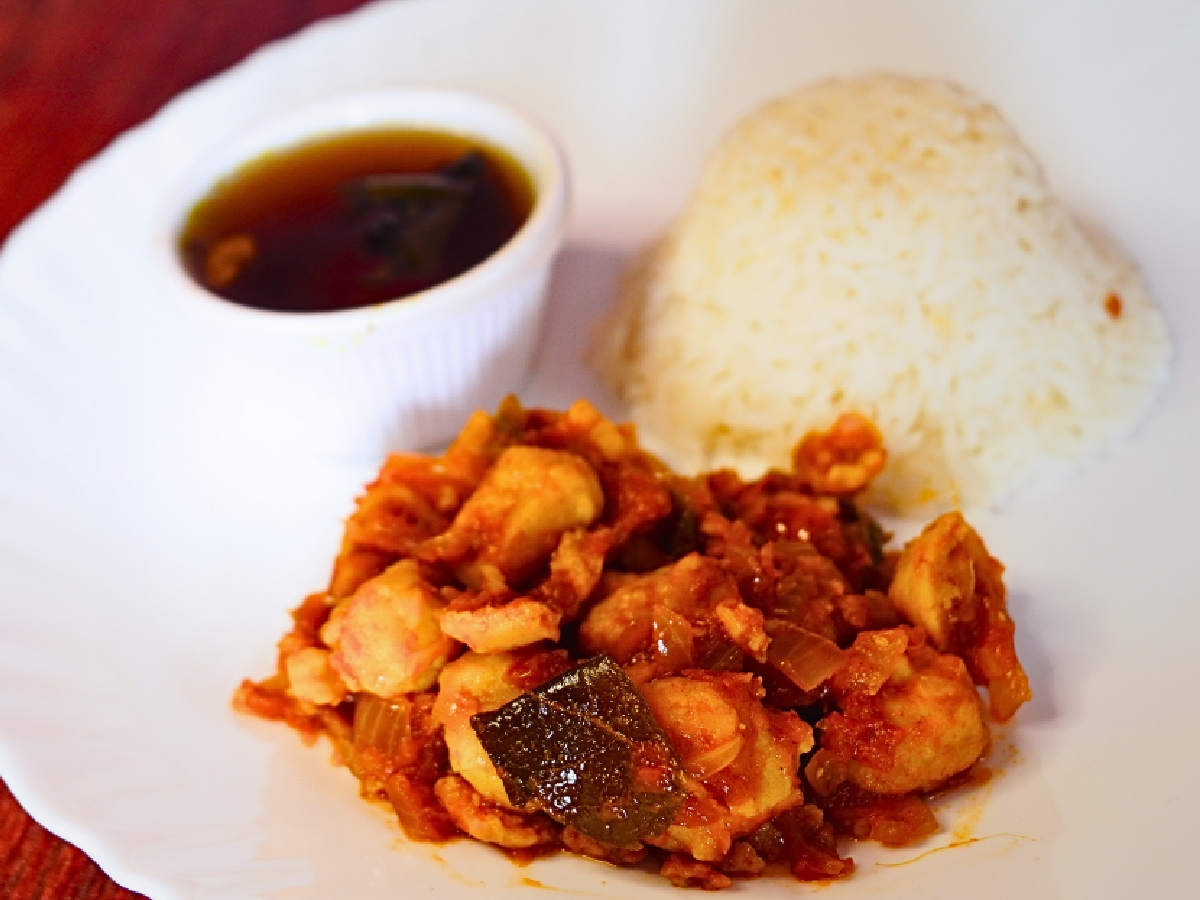
Minapa Odiyalu Tomato Curry is a traditional Andhra-style preparation that combines crispy urad dal fryums with a tangy tomato masala, tempered with mustard, cumin, curry leaves, and garlic. The odiyalu gradually absorb the spicy tomato gravy while retaining pockets of their characteristic texture.
Prep Time
Cook Time
Total Time
Servings
Difficulty
Calories
Cuisine
Course
Flavor Profile
Understand the balance of flavors before your first bite.
Spiciness
Overall spice intensity.
60
out of 100
Sweetness
Natural sweetness in the recipe.
28
out of 100
Sourness
Tanginess and acidity.
68
out of 100
Saltiness
Overall salt perception.
52
out of 100
Umami
Deep savory richness.
55
out of 100
Richness
Body and mouthfeel.
60
out of 100
Texture Profile
Know exactly what texture to expect.
Tenderness
0
out of 10
Juiciness
55
out of 10
Creaminess
60
out of 10
Crispiness
45
out of 10
Crunchiness
5
out of 10
What You'll Need
Gather these tools before you begin cooking.
- Kadai or heavy-bottom pan
- Small spoon
- Knife
- Cutting board
- Mixing spoon
- Serving bowl
Everything You'll Need
Prepare all ingredients before you start cooking.
- Minapa odiyalu (urad dal fryums) — 1 cup
- Tomatoes, chopped — 3 medium (approximately 250 g)
- Onion, finely chopped — 1 small (optional)
- Green chillies, slit — 2
- Ginger-garlic paste — 1 tsp
- Turmeric — ¼ tsp
- Red chilli powder — 1 tsp
- Coriander powder — 1 tsp
- Cumin powder — ½ tsp
- Salt — to taste
- Water — 1 cup
- Oil — 2 tbsp
- Mustard seeds — 1 tsp
- Cumin seeds — ½ tsp
- Curry leaves — 10–12
- Garlic, crushed — 4 cloves
Step-by-Step Instructions
Follow each step carefully for the best results.
Heat the oil in a kadai over medium heat. Add the minapa odiyalu and fry them until they become crisp and lightly golden, turning them regularly so they cook evenly without burning.
Once the fryums are crisp, remove them from the pan and keep them aside. Do not discard the oil; the same pan and remaining oil will be used to build the curry base.
Reduce the flame to medium and add the mustard seeds to the remaining hot oil. Allow them to splutter, then add the cumin seeds, curry leaves, and crushed garlic.
Fry briefly until the garlic becomes aromatic and the curry leaves release their fragrance. Be careful not to burn the garlic, as it can turn bitter.
If using onion, add the finely chopped onion to the tempering. Sauté over medium heat until it becomes soft and lightly translucent.
The onion does not need to become deeply browned; the aim here is to soften it and create a mild sweetness in the curry base.
Add the ginger-garlic paste and sauté for about 1–2 minutes. Cook until its raw smell disappears and the mixture becomes fragrant.
Keep the flame moderate so the paste cooks without sticking or burning to the bottom of the pan.
Add the chopped tomatoes along with turmeric and salt. Mix everything well and cook over medium heat until the tomatoes soften completely.
Continue cooking until they become mushy and begin to form a thick masala. This stage is important because properly cooked tomatoes provide the body and tangy base of the curry.
Once the tomatoes have broken down, add the red chilli powder, coriander powder, and cumin powder.
Mix thoroughly and cook for another 1–2 minutes so the spices combine with the tomato mixture and the raw flavour of the powders reduces. If the masala begins sticking, lower the flame slightly.
Pour in 1 cup of water and mix well, scraping the bottom of the pan if necessary to incorporate the cooked masala.
Increase the heat slightly and bring the curry to a gentle boil. Taste the gravy and adjust salt if required.
Add the fried minapa odiyalu to the simmering tomato gravy. Gently mix so that the fryums are coated with the masala without breaking them.
Allow them to simmer for 5–7 minutes over low to medium heat. During this time, the odiyalu absorb the tomato, spice, and garlic flavours while softening slightly.
Continue simmering until the gravy reaches your preferred consistency. The curry should be thick enough to coat the odiyalu but still have enough moisture to serve comfortably with rice.
Turn off the flame once the curry reaches the desired consistency and allow it to rest for a few minutes before serving.
Chef Tips
- Fry the minapa odiyalu over medium heat so they become crisp without darkening too quickly.
- Do not burn the garlic during tempering. Its aroma is an important part of the curry, but burnt garlic can introduce bitterness.
- Cook the tomatoes until properly mushy before adding the spice powders. Undercooked tomatoes can leave the curry tasting raw and sharply acidic.
- Adjust the amount of water according to how much gravy you prefer. Remember that the odiyalu will continue absorbing liquid after they are added.
- For more texture, serve the curry soon after the odiyalu finish simmering. For softer odiyalu, allow the curry to rest for a few minutes before serving.
Common Mistakes
Small mistakes can dramatically affect the final result. Avoid these to get the best flavor and texture every time.
Avoid This
Frying the odiyalu over very high heat can brown the outside too quickly while leaving the texture uneven.
Avoid This
Adding spice powders before the tomatoes are cooked can leave the masala tasting raw.
Avoid This
Using too much water can dilute the concentrated tomato and spice flavour.
Avoid This
Over-simmering the odiyalu can make them excessively soft and cause them to lose their characteristic fried texture.
Avoid This
Not accounting for absorption can result in a curry that becomes much thicker after resting.
Best Ways to Enjoy This Recipe
Pair this recipe with the right dishes to elevate the overall dining experience.
Serve hot with steamed rice and a simple dal.
Pair with plain rice, ghee, and a vegetable stir-fry for a traditional Andhra-style meal.
Serve alongside rasam for a comforting South Indian meal.
Pair with curd rice as part of a larger Andhra meal.
Serve immediately with hot rice if you prefer the odiyalu to retain more of their fried texture.
Try Different Versions
Customize this recipe to suit your taste and cooking style.
Skip the onion for a simpler tomato-forward version.
Increase the green chillies for a sharper fresh chilli flavour.
Add a little extra crushed garlic toward the end for a stronger garlic character.
Use slightly more tomato for a tangier, gravy-rich version.
For a drier preparation, reduce the water and simmer until the masala coats the odiyalu more tightly.
Why This Recipe Works
Understanding the science behind a recipe helps you cook with confidence, troubleshoot mistakes, and consistently achieve better results.
Why This Recipe Works
Minapa odiyalu are made primarily from urad dal, so frying them first creates a crisp, roasted exterior and develops deeper savoury aromas. When they are later added to the tomato gravy, their porous structure begins absorbing the surrounding liquid and seasoning.
Cooking the tomatoes until they become soft and concentrated is important because it reduces their raw vegetal character and creates the body of the gravy. The oil also helps distribute the chilli and other spice compounds throughout the tomato base.
The final simmer is a balance between absorption and texture. As the fried odiyalu take in the tomato gravy, they become softer and more flavourful. Because they continue absorbing liquid even after cooking, controlling the amount of water and the final resting time determines whether the finished curry is more gravy-rich or more tightly coated.
Nutritional Information
Approximate nutrition per serving.
Protein
8
out of 100
Fat
14
out of 100
Carbohydrates
27
out of 100
Fiber
0
out of 100
Storage & Reheating
Keep your recipe fresh for later.
- Allow the curry to cool before transferring it to a clean airtight container.
- Refrigerate leftovers promptly and consume within 1–2 days for best quality.
- The odiyalu will continue absorbing the gravy during storage, so the curry will become thicker and softer over time.
- When reheating, add a small splash of water if the gravy has become too thick.
- Reheat gently until thoroughly hot and avoid repeatedly reheating the entire batch.
Watch the Recipe
Follow the complete recipe step by step with our detailed video guide and cook alongside us.
Watch on YouTube
Enjoy the full recipe, cooking techniques, and future FLVRTX videos.
Everything You Need to Know
Go beyond the recipe with detailed explanations, practical cooking advice, and additional insights to help you master this dish.
Minapa Odiyalu Tomato Curry is a simple yet distinctive Andhra preparation built around minapa odiyalu, traditional urad dal-based fryums that are usually stored and fried as needed. What makes this curry interesting is the contrast between the crispy odiyalu and the soft, tangy tomato gravy.
The process starts by frying the odiyalu until crisp and aromatic, followed by a classic Andhra tempering of mustard seeds, cumin, curry leaves, and crushed garlic. Tomatoes and spices are then cooked into a thick masala before water is added and the fried odiyalu are simmered in it.
The key is timing: simmer the odiyalu long enough to absorb the tomato and spice flavours, but avoid overcooking them if you want some texture to remain. It is a comforting, practical curry that works particularly well as part of a traditional Andhra meal.

Author
admin
You May Also Like
Discover more recipes you might enjoy based on similar flavors and categories.
Boti Gongura Vankaya Curry
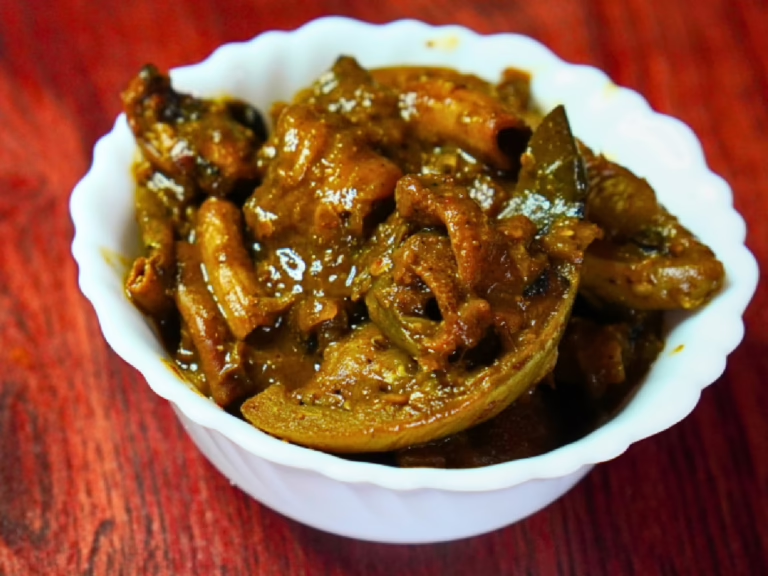
Boti Gongura Vankaya Curry is a traditional Andhra delicacy celebrated for its bold flavors and rustic cooking style. The richness of slow-cooked mutton boti pairs beautifully with the natural tanginess of fresh gongura leaves, while soft brinjal absorbs the flavorful masala to create a perfectly balanced dish. Whether served with hot rice, ragi sangati, or jowar roti, this recipe delivers the authentic taste of Andhra home cooking in every bite.
Authentic Andhra Rajula Pita Fry
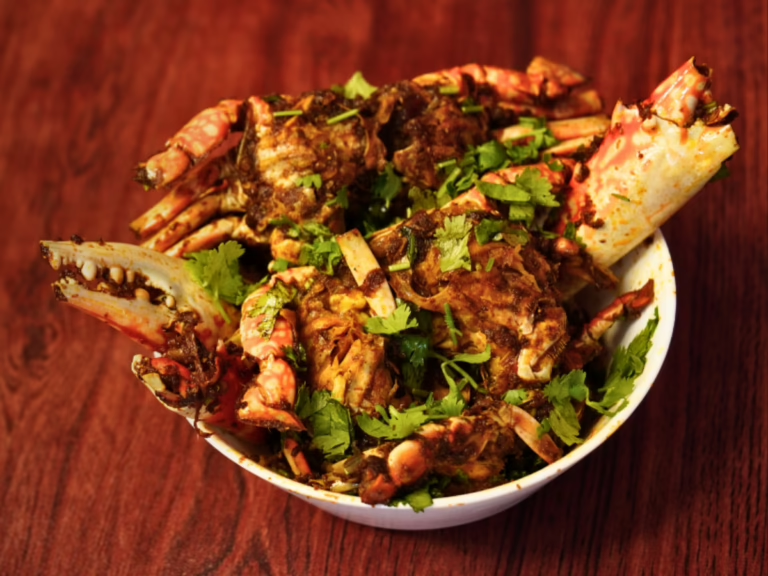
Authentic Andhra Rajula Pita Fry is a fiery coastal delicacy made with fresh crab, garlic, curry leaves, and aromatic spices. Slow-roasted without added water, the crab develops a rich, dry masala coating with juicy meat and bold Andhra flavours.
Chicken Biryani in Pressure Cooker | Easy 1 Kg Recipe
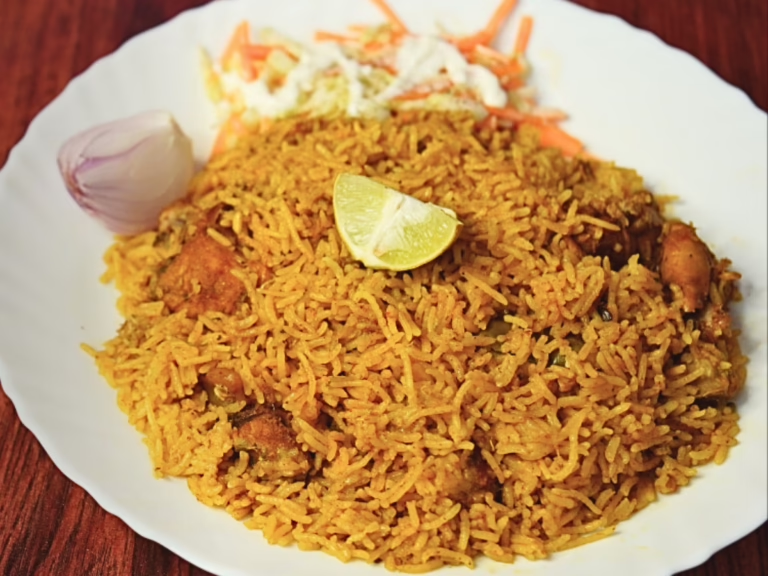
This easy Chicken Biryani in a Pressure Cooker brings together juicy marinated chicken, fragrant basmati rice, caramelised onions, mint, coriander, and whole spices in one pot. The pressure-cooking method makes a flavourful biryani with less effort while keeping the rice aromatic and the chicken tender.