
Chicken Biryani in Pressure Cooker | Easy 1 Kg Recipe
An easy 1 kg chicken biryani made in a pressure cooker with basmati rice, aromatic spices, herbs, and marinated chicken.
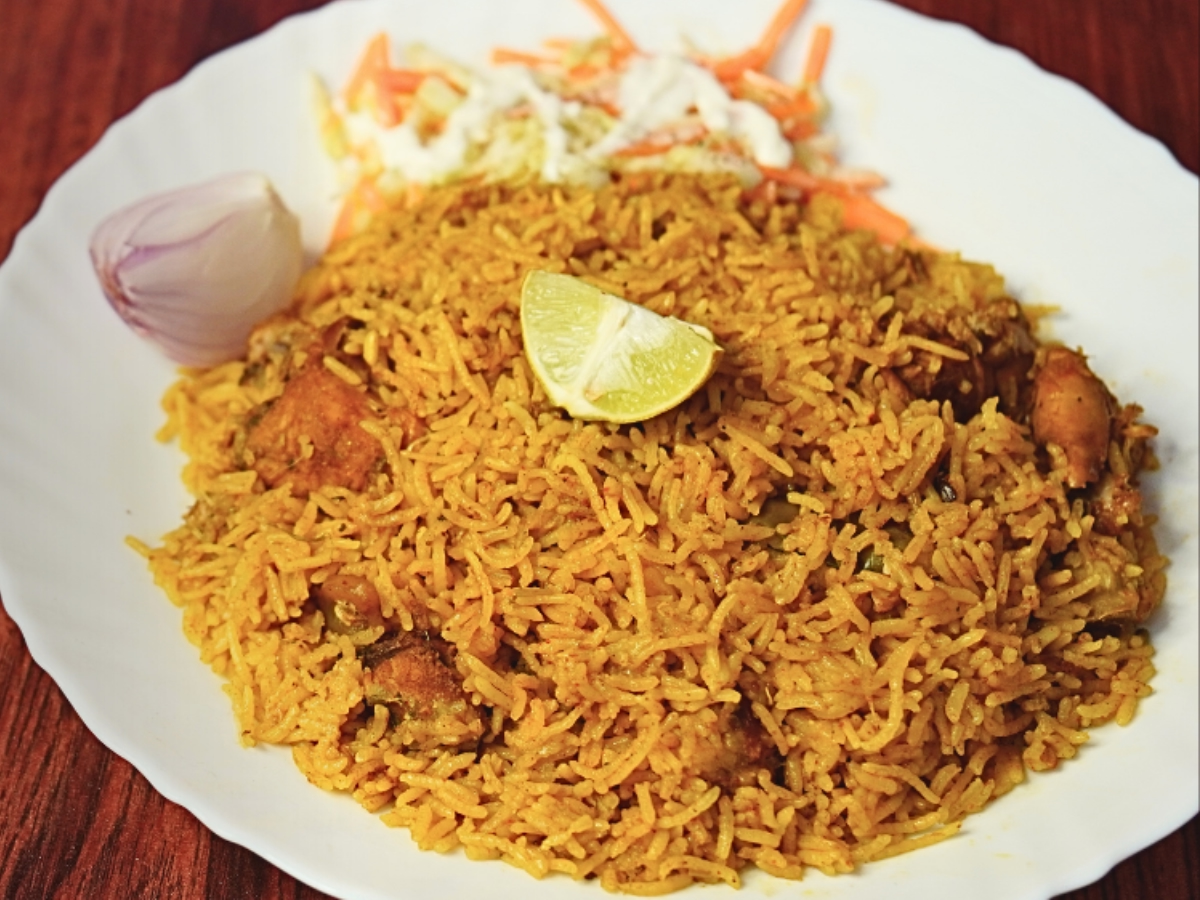
This easy Chicken Biryani in a Pressure Cooker brings together juicy marinated chicken, fragrant basmati rice, caramelised onions, mint, coriander, and whole spices in one pot. The pressure-cooking method makes a flavourful biryani with less effort while keeping the rice aromatic and the chicken tender.
Prep Time
Cook Time
Total Time
Servings
Difficulty
Calories
Cuisine
Course
Flavor Profile
Understand the balance of flavors before your first bite.
Spiciness
Overall spice intensity.
62
out of 100
Sweetness
Natural sweetness in the recipe.
30
out of 100
Sourness
Tanginess and acidity.
25
out of 100
Saltiness
Overall salt perception.
58
out of 100
Umami
Deep savory richness.
82
out of 100
Richness
Body and mouthfeel.
70
out of 100
Texture Profile
Know exactly what texture to expect.
Tenderness
0
out of 10
Juiciness
68
out of 10
Creaminess
18
out of 10
Crispiness
12
out of 10
Crunchiness
8
out of 10
What You'll Need
Gather these tools before you begin cooking.
- Pressure cooker
- Induction cooktop
- Mixing bowl
- Knife
- Cutting board
- Measuring cups/spoons
- Wooden spatula or cooking spoon
Everything You'll Need
Prepare all ingredients before you start cooking.
- Chicken, medium pieces — 1 kg
- Curd — 200 g (approximately 1 cup)
- Ginger-garlic paste — 2 tbsp
- Red chilli powder — 1½ tsp
- Turmeric — ½ tsp
- Garam masala — 1 tsp
- Salt — 1½ tsp
- Lemon juice — 1 tbsp
- Basmati rice — 750 g (approximately 3½ cups)
- Water — 7 cups
- Salt — 1 tsp
- Bay leaves — 2
- Cinnamon — 2 small pieces
- Cloves — 5
- Cardamom — 4
- Star anise — 1 (optional)
- Black pepper — ½ tsp
- Oil — 4 tbsp (60 ml)
- Ghee — 2 tbsp
- Onions, thinly sliced — 300 g (approximately 3 large)
- Green chillies, slit — 4
- Mint leaves — 1 cup
- Coriander leaves — 1 cup
Step-by-Step Instructions
Follow each step carefully for the best results.
Add the chicken to a large mixing bowl. Add curd, ginger-garlic paste, red chilli powder, turmeric, garam masala, salt, and lemon juice. Mix thoroughly until every piece is coated, then cover and rest for 30–45 minutes.
Wash the basmati rice gently until the water becomes relatively clear. Soak it in water for 20 minutes, then drain completely. Proper soaking helps the rice cook more evenly and reduces the pressure-cooking time required.
Set the induction cooktop to 1200W. Add the oil and ghee to the pressure cooker. Add the sliced onions and fry for approximately 8–10 minutes, stirring regularly, until they become evenly golden.
Add the bay leaves, cinnamon, cloves, cardamom, star anise if using, and black pepper. Fry for about 1 minute until the spices become fragrant.
Add the marinated chicken and mix thoroughly with the onions and whole spices. Increase the induction setting to 1400W and cook for approximately 10 minutes, stirring occasionally.
The chicken should be approximately 70% cooked at this stage. It does not need to be completely cooked because it will finish cooking under pressure.
Add the mint leaves, coriander leaves, and slit green chillies. Mix well and cook for approximately 2 minutes so the herbs release their aroma into the chicken masala.
Add the drained soaked basmati rice over the chicken. Pour in the 7 cups of water and add 1 tsp salt.
Mix gently without aggressively stirring the rice, as soaked basmati grains can break easily.
Increase the induction setting to 1600W and bring the mixture to a boil, which should take approximately 3–4 minutes.
Once boiling, reduce the setting to 800W. Close the pressure cooker securely and cook for 1 whistle.
Immediately switch off the induction cooktop after the whistle.
Allow the pressure to release naturally for approximately 10 minutes. Open the cooker carefully once the pressure has completely released.
Gently fluff the biryani from the sides and bottom using a fork or flat spoon, taking care not to break the rice grains.
Chef Tips
- Use good-quality aged basmati rice for longer, more aromatic grains.
- Do not skip the 20-minute soaking period. It helps the rice hydrate evenly before pressure cooking.
- Allow the onions to become properly golden rather than merely soft. Their caramelised flavour provides important depth to the biryani.
- Make sure the marinated chicken reaches roughly 70% doneness before adding the rice. This helps coordinate the cooking time of the chicken and rice.
- After adding the rice, avoid vigorous stirring. Excessive agitation can break soaked basmati grains.
- Do not immediately force-release the pressure. The 10-minute natural release gives the rice time to finish cooking and settle.
Common Mistakes
Small mistakes can dramatically affect the final result. Avoid these to get the best flavor and texture every time.
Avoid This
Overcooking the chicken before adding rice can result in meat that becomes dry during the final pressure cooking.
Avoid This
Skipping the rice-soaking stage can lead to unevenly cooked grains.
Avoid This
Adding more water than required can make pressure-cooker biryani mushy.
Avoid This
Cooking for multiple whistles can overcook the basmati rice and cause the grains to break.
Avoid This
Opening the cooker immediately after cooking can disturb the rice before it has finished settling.
Best Ways to Enjoy This Recipe
Pair this recipe with the right dishes to elevate the overall dining experience.
Serve hot with onion raita and lemon wedges.
Pair with cucumber, onion, and tomato raita for a cooling contrast.
Serve with a simple vegetable salad and plain yoghurt.
For a traditional-style meal, serve alongside mirchi ka salan or another mildly spiced accompaniment.
Garnish with a little fresh coriander and mint just before serving.
Try Different Versions
Customize this recipe to suit your taste and cooking style.
Add fried onions on top before serving for extra sweetness and texture.
For a richer biryani, slightly increase the ghee while keeping the overall liquid balance unchanged.
Add saffron soaked in warm milk before pressure cooking for a more aromatic finish.
Add a small amount of biryani masala if you prefer a stronger spice profile.
For a milder family version, reduce the green chillies and red chilli powder without changing the cooking process.
Why This Recipe Works
Understanding the science behind a recipe helps you cook with confidence, troubleshoot mistakes, and consistently achieve better results.
Why This Recipe Works
Marinating the chicken with curd, lemon juice, spices, and ginger-garlic paste gives the meat a seasoned surface before cooking. The curd also contributes moisture and acidity, while the spices distribute flavour throughout the chicken as it rests.
Soaking the basmati rice before cooking allows the grains to absorb water in advance. This is particularly important in a pressure cooker because the cooking environment is hotter and more intense than an uncovered pot. Starting with hydrated rice helps reduce the risk of unevenly cooked grains.
The chicken is intentionally cooked to about 70% before the rice is added. This creates a better cooking balance: the chicken has already developed its base flavour while the rice still has enough cooking time remaining to absorb the seasoned liquid. Pressure then rapidly transfers heat through the pot, allowing the rice and chicken to finish together.
The final natural-release period is also part of the cooking process. As the pressure gradually falls, the rice continues to absorb moisture and the grains settle. Gentle fluffing afterwards helps separate the grains without breaking them.
Nutritional Information
Approximate nutrition per serving.
Protein
39
out of 100
Fat
22
out of 100
Carbohydrates
72
out of 100
Fiber
0
out of 100
Storage & Reheating
Keep your recipe fresh for later.
- Allow leftover biryani to cool reasonably quickly before transferring it to an airtight container.
- Refrigerate leftovers promptly and consume within 1–2 days for best quality.
- Reheat only the portion you intend to eat rather than repeatedly reheating the entire batch.
- When reheating, sprinkle a small amount of water over the rice and heat gently until steaming hot throughout.
- Avoid excessive stirring during reheating because cooked basmati grains can break easily.
Watch the Recipe
Follow the complete recipe step by step with our detailed video guide and cook alongside us.
Watch on YouTube
Enjoy the full recipe, cooking techniques, and future FLVRTX videos.
Everything You Need to Know
Go beyond the recipe with detailed explanations, practical cooking advice, and additional insights to help you master this dish.
Chicken biryani does not always require a large pot or complicated layering technique. This pressure-cooker version is designed around a simple one-pot method that combines marinated chicken, aromatic whole spices, herbs, and basmati rice into a complete meal.
The important part of this recipe is timing and pressure control. The chicken is cooked to about 70% before the soaked rice and water are added, allowing both components to finish cooking together without overcooking the chicken. The final one-whistle pressure cook, followed by a natural resting period, helps the rice absorb the flavours from the chicken and masala while retaining its fragrance.
With 1 kg of chicken and 750 g of basmati rice, this recipe is suitable for a family meal or gathering and is particularly useful when you want a practical biryani without using multiple cooking vessels.

Author
admin
You May Also Like
Discover more recipes you might enjoy based on similar flavors and categories.
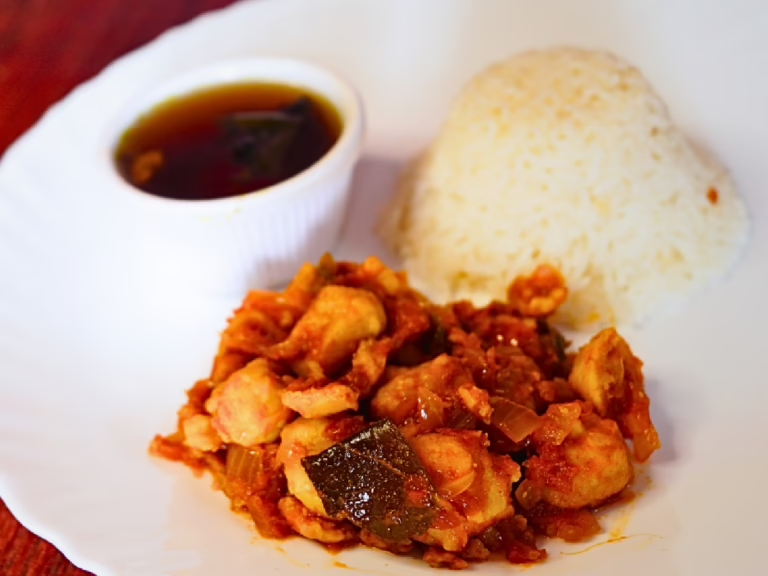
Minapa Odiyalu Tomato Curry
Minapa Odiyalu Tomato Curry is a traditional Andhra-style preparation that combines crispy urad dal fryums with a tangy tomato masala, tempered with mustard, cumin, curry leaves, and garlic. The odiyalu gradually absorb the spicy tomato gravy while retaining pockets of their characteristic texture.
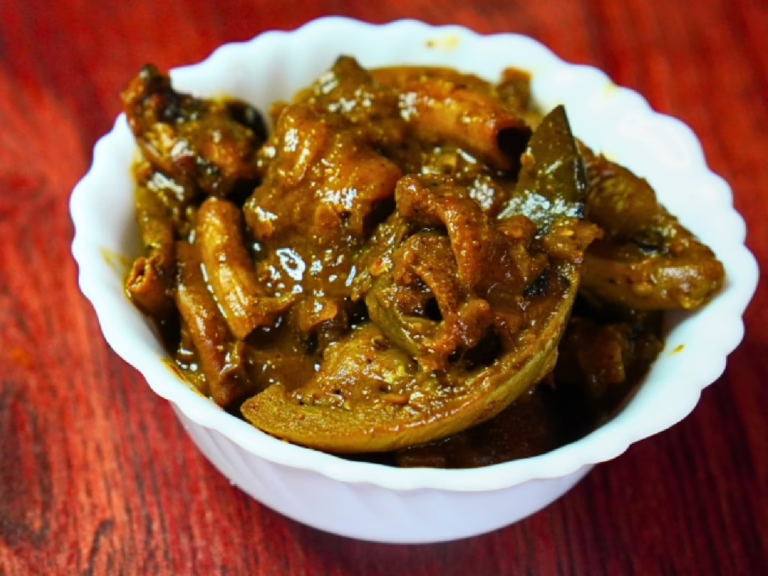
Boti Gongura Vankaya Curry
Boti Gongura Vankaya Curry is a traditional Andhra delicacy celebrated for its bold flavors and rustic cooking style. The richness of slow-cooked mutton boti pairs beautifully with the natural tanginess of fresh gongura leaves, while soft brinjal absorbs the flavorful masala to create a perfectly balanced dish. Whether served with hot rice, ragi sangati, or jowar roti, this recipe delivers the authentic taste of Andhra home cooking in every bite.
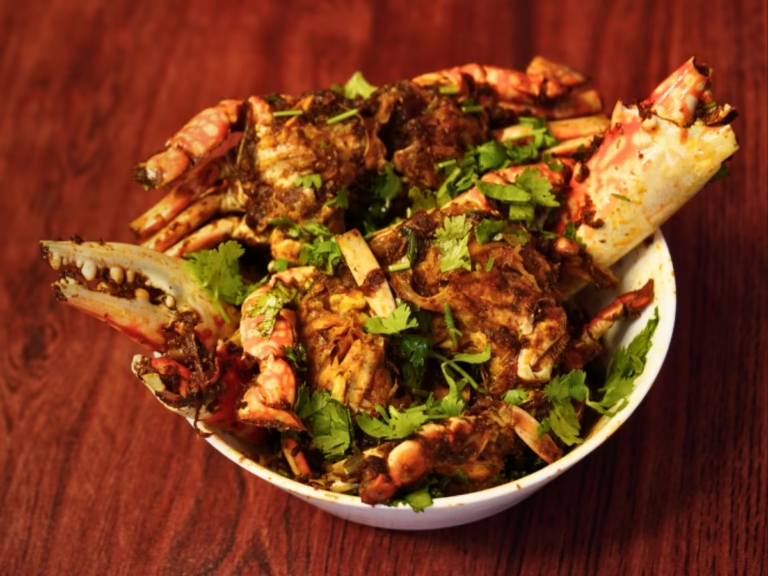
Authentic Andhra Rajula Pita Fry
Authentic Andhra Rajula Pita Fry is a fiery coastal delicacy made with fresh crab, garlic, curry leaves, and aromatic spices. Slow-roasted without added water, the crab develops a rich, dry masala coating with juicy meat and bold Andhra flavours.