📝 INTRODUCTION
Insulin resistance is a silent condition affecting millions of people, especially women dealing with PCOS, weight gain, and fatigue. It develops gradually and often goes unnoticed until it starts affecting metabolism, hormones, and overall health.
If you’ve been struggling with stubborn belly fat, constant cravings, or low energy despite eating healthy, your body may be showing early warning signs.
In this guide, we’ll break down the top 10 signs of insulin resistance you should never ignore and what they mean for your health.
Table of Contents
⚡ QUICK SUMMARY
- Insulin resistance = body not responding to insulin properly
- Leads to fat storage, hormonal imbalance, fatigue
- Common in PCOS, prediabetes, and weight gain
- Early detection can reverse the condition
🔬 WHAT IS INSULIN RESISTANCE?
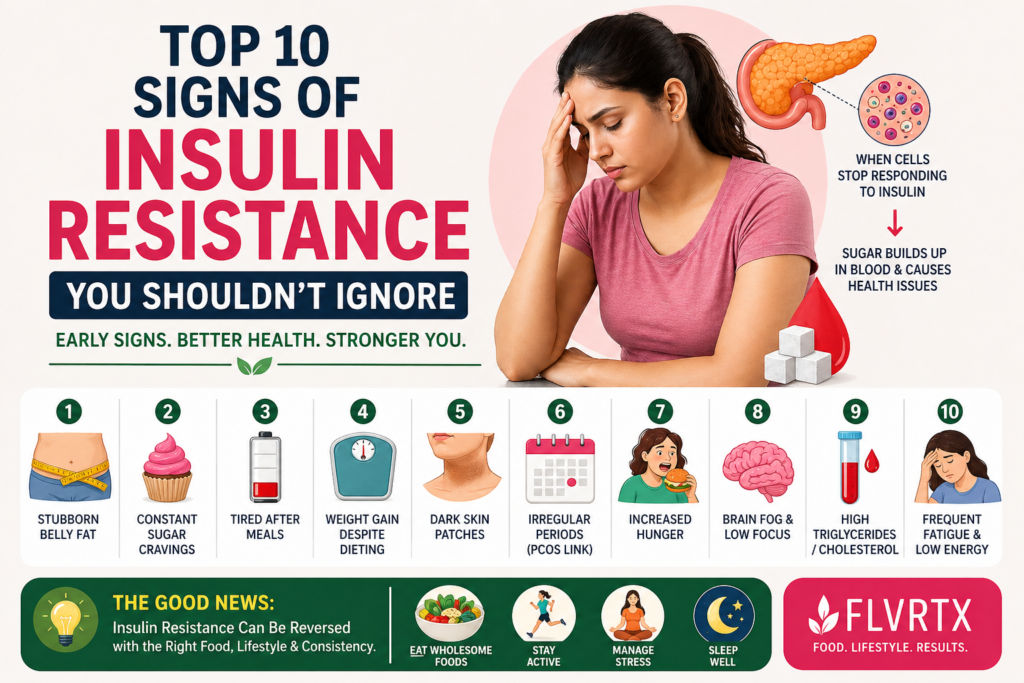
Insulin is a hormone that helps your body use sugar (glucose) for energy. When your body becomes resistant, cells stop responding effectively, causing glucose levels to rise.
To compensate, your body produces more insulin — leading to fat storage, especially around the belly.
🚨 TOP 10 SIGNS OF INSULIN RESISTANCE
1️⃣ Stubborn Belly Fat
Fat accumulation around the abdomen is one of the earliest signs. Even with dieting, belly fat doesn’t reduce easily because high insulin promotes fat storage.
2️⃣ Constant Sugar Cravings
Frequent cravings for sweets or carbs indicate unstable blood sugar levels. Your body keeps demanding quick energy due to poor glucose utilization.
3️⃣ Feeling Tired After Meals
If you feel sleepy or sluggish after eating, it could be due to blood sugar spikes followed by crashes — a classic insulin resistance symptom.
4️⃣ Weight Gain Despite Dieting
You may be eating less but still gaining weight. This happens because high insulin prevents fat breakdown.
5️⃣ Dark Skin Patches (Acanthosis Nigricans)
Dark, velvety patches around the neck, underarms, or elbows are a strong physical indicator of insulin resistance.
6️⃣ Irregular Periods (PCOS Link)
Insulin resistance disrupts hormonal balance, leading to irregular cycles, acne, and PCOS-related symptoms.
7️⃣ Increased Hunger
You feel hungry even after meals because your cells aren’t getting enough energy, triggering constant hunger signals.
8️⃣ Brain Fog & Low Focus
Difficulty concentrating or mental fatigue can result from unstable glucose levels affecting brain function.
9️⃣ High Triglycerides / Cholesterol
Blood tests may show elevated triglycerides, indicating metabolic imbalance linked to insulin resistance.
🔟 Frequent Fatigue & Low Energy
Even after rest, you may feel drained because your body is not efficiently converting glucose into energy.
🧠 WHY THESE SYMPTOMS HAPPEN
Insulin resistance disrupts how your body uses energy. Instead of burning glucose, your body stores it as fat. This signs of insulin resistance leads to:
- Increased fat storage
- Hormonal imbalance
- Energy crashes
- Metabolic slowdown
🔍 Early Warning Signs Most People Ignore
Many people experience early signs of insulin resistance but ignore them because they seem minor. These subtle symptoms often appear before major issues like weight gain or hormonal imbalance.
For example, feeling unusually hungry even after eating a full meal is a strong early indicator. This happens because your cells are not efficiently absorbing glucose, so your body keeps signaling for more food.
Another overlooked sign is increased thirst and frequent urination. When blood sugar levels fluctuate, the body tries to remove excess glucose through urine, leading to dehydration.
Mood swings and irritability are also common. Blood sugar spikes and crashes affect brain chemistry, causing sudden changes in mood, anxiety, or frustration.
Recognizing these early signals can help you take action before insulin resistance progresses into more serious conditions like type 2 diabetes or PCOS.
🧪 HOW TO TEST INSULIN RESISTANCE AT HOME (EARLY CHECK)
Many people ignore early symptoms because they don’t know how to confirm insulin resistance. While medical tests are the most accurate, you can still observe certain patterns at home.
Start by tracking your energy levels after meals. If you consistently feel sleepy, tired, or mentally slow within 30–60 minutes of eating, it could indicate unstable blood sugar levels.
Another simple method is monitoring your hunger pattern. If you feel hungry again very quickly after a meal—especially craving sweets or carbs—it may suggest that your body is not properly using glucose.
You can also check physical signs of insulin resistance:
- Sudden belly fat increase
- Dark skin patches around the neck
- Frequent fatigue without heavy work
While these are not diagnostic tools, they act as early warning signals. For confirmation, doctors usually recommend tests like fasting insulin, fasting glucose, and HOMA-IR.
🧠 INSULIN RESISTANCE VS NORMAL METABOLISM
Understanding the difference helps you recognize the signs of insulin resistance.
Normal Metabolism:
- Insulin efficiently moves glucose into cells
- Energy levels remain stable
- No sudden cravings
- Fat is burned effectively
Insulin Resistance:
- Cells ignore insulin signals
- Blood sugar rises
- Energy crashes occur
- Fat storage increases
This difference explains why some people gain weight even when they eat less. It’s not always about calories — it’s about how the body processes energy.
🍽 BEST DAILY HABITS TO REVERSE INSULIN RESISTANCE
Making small changes in daily routine can significantly improve insulin sensitivity.
1️⃣ Start Your Day Right
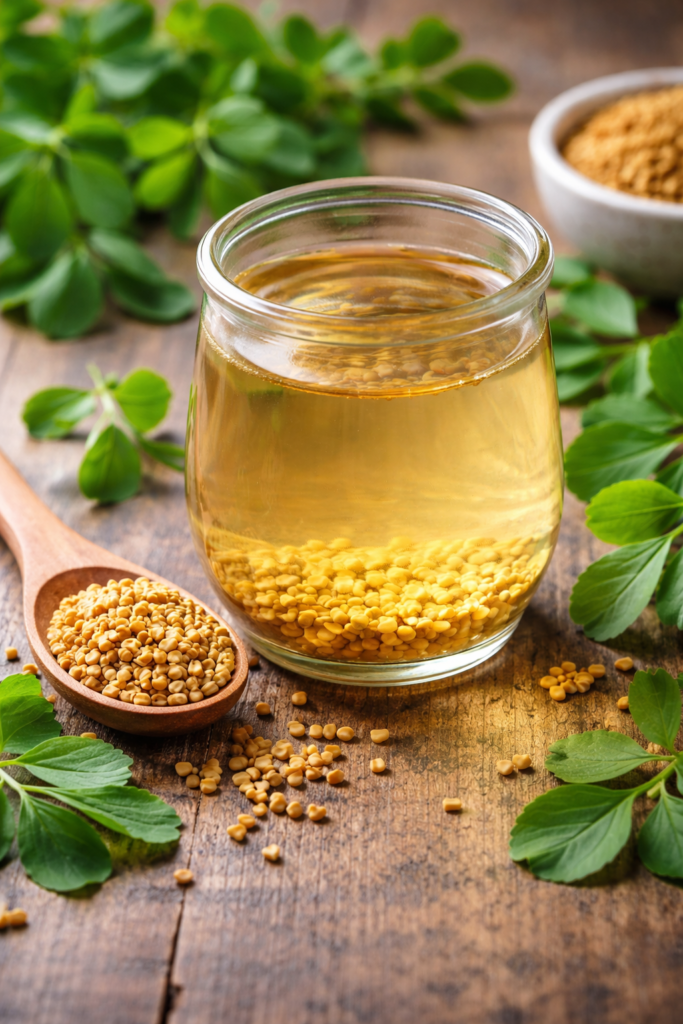
Drink warm water with fenugreek seeds or lemon water. These help regulate blood sugar levels naturally.
2️⃣ Don’t Skip Breakfast
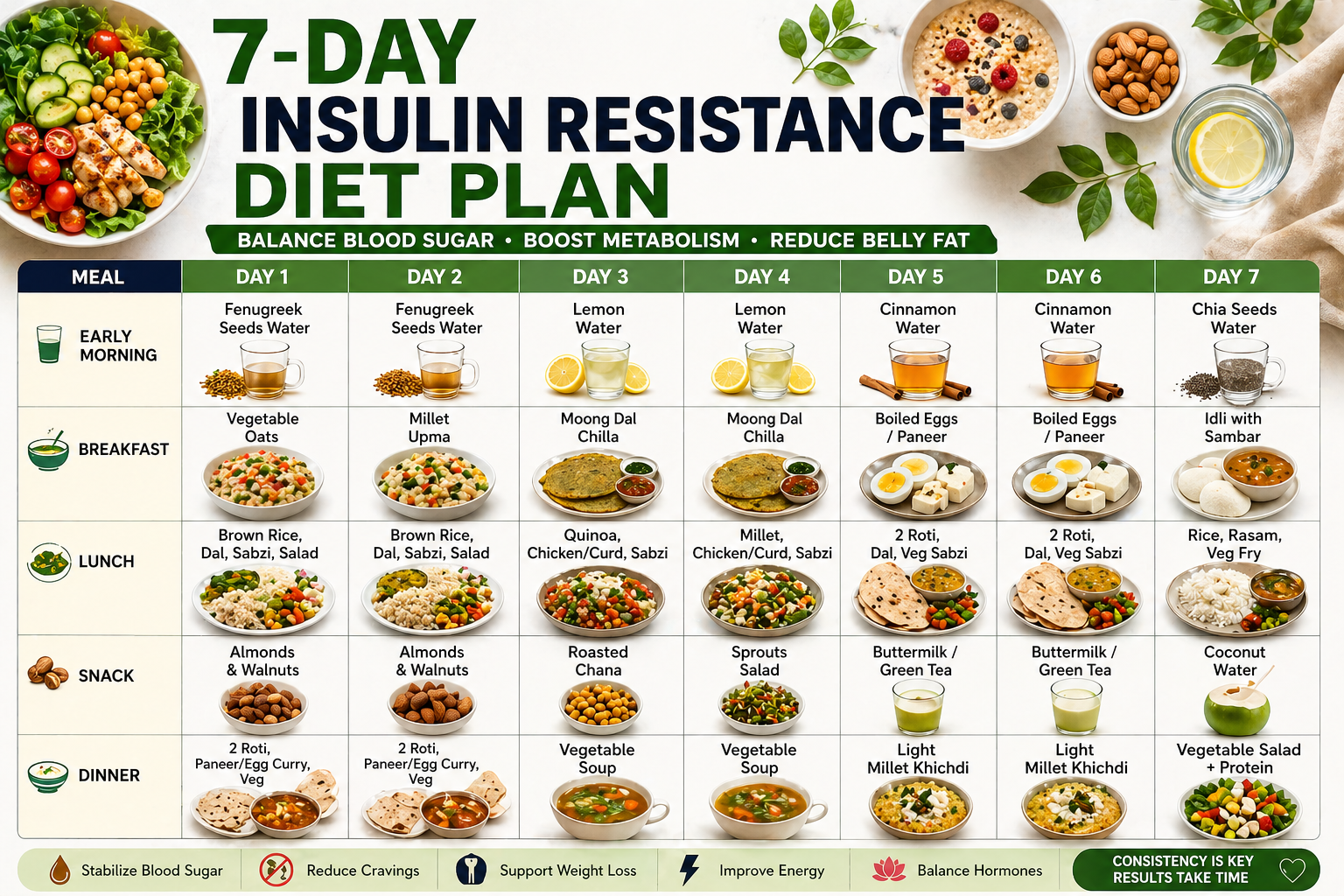
Skipping meals can worsen insulin spikes later in the day. Choose protein-rich breakfasts like eggs, paneer, or moong dal chilla.
3️⃣ Add Protein to Every Meal
Protein slows down glucose absorption and keeps you full longer.
4️⃣ Walk After Meals
A 10–15 minute walk after eating helps reduce blood sugar spikes.
5️⃣ Sleep Properly
Poor sleep increases insulin resistance. Aim for 7–8 hours daily.
6️⃣ Reduce Stress
Stress hormones like cortisol increase insulin resistance. Practice relaxation techniques like deep breathing or meditation.
🚫 BIGGEST MISTAKES PEOPLE MAKE
Even health-conscious people unknowingly worsen insulin resistance.
❌ Eating “Healthy” But High-Carb Foods
Too much rice, fruits, or oats without protein can spike insulin.
❌ Drinking Sugary Beverages
Fruit juices, soft drinks, and sweetened tea increase blood sugar quickly.
❌ Skipping Meals
This leads to overeating later and unstable insulin levels.
❌ Overeating Healthy Foods
Even healthy foods can cause weight gain if consumed excessively.
❌ Lack of Physical Activity
A sedentary lifestyle is one of the biggest contributors to insulin resistance.
🌿 COMMON CAUSES
- High sugar intake
- Sedentary lifestyle
- Poor sleep
- Stress
- Excess refined carbohydrates
🔬 WHY THIS MATTERS (FLVRTX ANALYSIS)
From a FLVRTX perspective, insulin resistance is not just a sugar problem — it’s a metabolic dysfunction affecting fat storage, hormone balance, and energy levels.
When insulin remains high:
- Fat burning stops
- Cravings increase
- Hormones become unstable
Fixing insulin resistance improves multiple health areas simultaneously.
🌿 WHAT YOU SHOULD DO NEXT
If you notice multiple symptoms:
👉 Start a structured diet plan
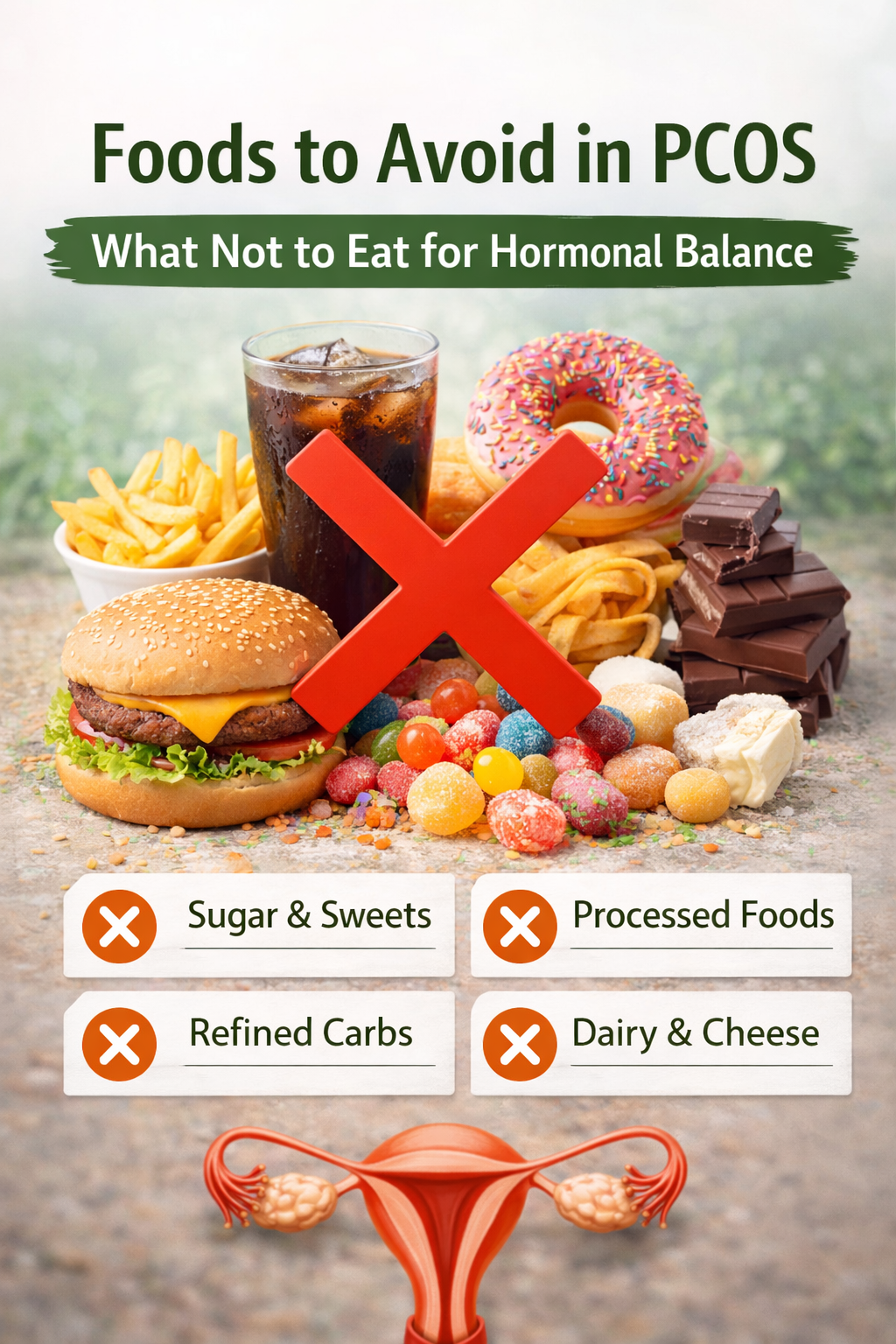
👉 Reduce sugar and refined carbs
👉 Increase protein and fiber
👉 Stay active daily
🔄 HOW LONG DOES IT TAKE TO REVERSE INSULIN RESISTANCE?
This is one of the most common questions.
The timeline depends on consistency:
- Within 3–7 days: Reduced cravings and better energy
- Within 2 weeks: Improved digestion and stable hunger
- Within 1 month: Visible fat reduction (especially belly fat)
- 2–3 months: Significant improvement in insulin sensitivity
However, results vary depending on lifestyle, diet, and overall health condition.
🌿 BEST FOODS THAT SUPPORT RECOVERY
Including the right foods speeds up recovery.
- Leafy greens (spinach, methi)
- Millets (ragi, jowar, bajra)
- Nuts (almonds, walnuts)
- Seeds (chia, flaxseeds)
- Spices (turmeric, cinnamon, fenugreek)
These foods improve digestion, reduce inflammation, and stabilize blood sugar levels.
🗓️ BEST DIET APPROACH
Focus on:
- Millets (ragi, jowar)
- Leafy vegetables
- Nuts and seeds
- Protein-rich foods
⚠️ WHEN TO CONSULT A DOCTOR
- Persistent symptoms
- High blood sugar levels
- PCOS diagnosis
- Sudden weight gain
🧬 Long-Term Risks If Ignored
If insulin resistance is not managed early, it can lead to serious long-term health complications. One of the most common outcomes is type 2 diabetes, where the body loses its ability to regulate blood sugar effectively.
In women, insulin resistance is closely linked to PCOS, leading to irregular periods, fertility issues, acne, and hair thinning. Over time, it can also increase the risk of cardiovascular diseases due to high cholesterol and triglyceride levels.
Another major concern is metabolic syndrome, a condition that includes high blood pressure, increased abdominal fat, and abnormal blood sugar levels. This significantly raises the risk of heart disease and stroke.
The longer insulin resistance is ignored, the harder it becomes to reverse. That’s why early awareness and lifestyle changes are crucial for long-term health.
⏱ EXPECTED IMPROVEMENTS
With proper lifestyle changes:
- Reduced cravings (within 1 week)
- Better energy (7–14 days)
- Gradual fat loss (2–4 weeks)
- Hormonal balance (1–2 months)
⚠️ PRECAUTIONS
- Avoid extreme dieting
- Don’t skip meals
- Stay hydrated
- Monitor sugar intake
🌿 Lifestyle Changes That Speed Up Recovery
Along with diet, certain lifestyle habits can dramatically improve insulin sensitivity.
Regular physical activity is one of the most effective methods. Even simple activities like walking, yoga, or light strength training can help your muscles use glucose more efficiently.
Hydration also plays a key role. Drinking enough water helps maintain proper metabolic function and prevents unnecessary cravings caused by dehydration.
Sunlight exposure supports vitamin D levels, which are linked to better insulin function. Spending 15–20 minutes in sunlight daily can have a positive impact.
Finally, maintaining a consistent sleep schedule is essential. Poor sleep increases insulin resistance and disrupts hormones that control hunger and metabolism.
Combining diet with these lifestyle changes accelerates results and helps maintain long-term health.
🧠 FINAL INSIGHT (IMPORTANT)
Insulin resistance is not just a medical condition — it is a lifestyle signal. Your body is telling you that something needs to change.
Instead of focusing only on weight loss, focus on improving metabolism. Once insulin levels are balanced, fat loss, energy, and hormonal balance naturally improve.
⭐ FLVRTX VERDICT
Effectiveness of Awareness: 10/10
Relevance: 10/10
Impact on Health: 9.5/10
FINAL VERDICT: 9.7/10
Understanding these signs early can help prevent serious conditions like diabetes and PCOS. Awareness is the first step toward reversing insulin resistance naturally.
❓ FREQUENTLY ASKED QUESTIONS
1. Can insulin resistance be reversed?
Yes, with diet, exercise, and lifestyle changes.
2. Is insulin resistance the same as diabetes?
No, but it can lead to diabetes if untreated.
3. How long does it take to improve?
Visible improvements can start within 2–4 weeks.
4. Can I eat rice?
Yes, in moderation and combined with fiber/protein.
5. Is fasting helpful?
Intermittent fasting may help but should be done carefully.